What is a Balinese Massage - Benefits and Contraindications


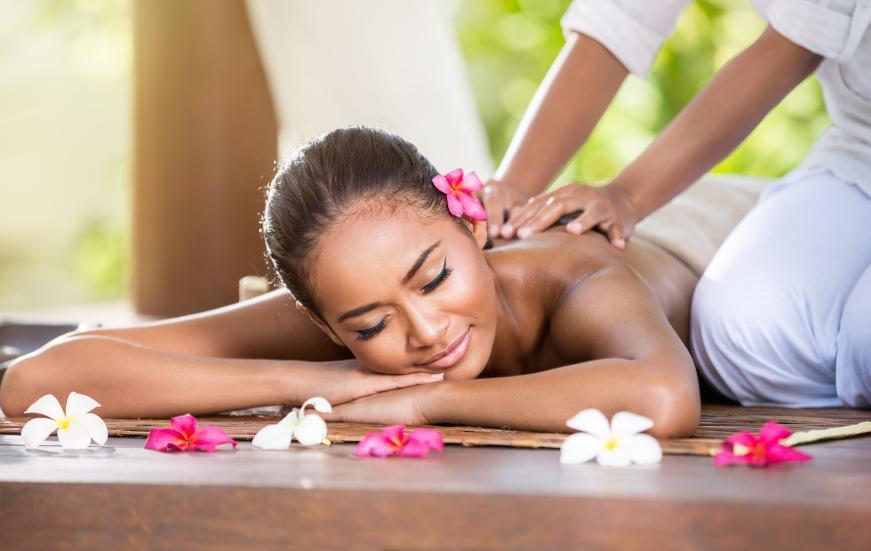
One of the best remedies for relaxing your mind and body is, without doubt, a good Balinese massage. Hailing from Indonesia, particularly the exotic island of Bali that gives it its name, this traditional massage has its origins in Hinduism and Hindu-related medicine mixed with some traditional Chinese medicinal therapies.
Balinese massage melts away any kind of deep tension, which leads to a state of total relaxation. Known for its exotic magic, given the profound use of perfumed essential oils, it is characterised by manual movements and pressure favouring the activation of the lymphatic system and blood circulation and simultaneously regenerating the skin. If you want to know more about how a Balinese massage is done, carefully read the following OneHowTo article. We explain all about this delightful therapy that is able to renew your body and soul.
What exactly is a Balinese massage
Glimmering light, candles, aromatic oils, incense from the Orient, soft music... The Balinese massage is known for its exoticism and its high power of relaxation. It originated in Indonesia, specifically on the island of Bali, which gives the technique its name. This technique comes from traditional Indian Ayurvedic medicine, along with elements of traditional Chinese therapies. This massage not only aims to improve the body at a therapeutic level and eventually eliminate deeper tensions in the muscle tissue, but it also seeks total relaxation of body and mind and is used as a ritual to feel more beautiful and healthy from the inside out.
According to Balinese tradition, the four-armed Hindu goddess Lakshmi, associated with beauty, taught this massage technique to the Balinese people. For this reason, manual pressure is applied to the body. This body therapy also uses techniques and knowledge from acupressure (finger pressure), reflexology, stretching, and some yoga principles. On the other hand, the extensive trade in spices between India and China led to the exchange of knowledge that helped develop Balinese massage. Chinese tradition introduced therapy oils and medicinal herbs that have helped make this one of the most exotic massages.
Balinese massage aims to apply traditional wisdom and an extremely delicate touch to achieve relaxation and stimulate the body into harmony. That is why this form of massage is believed to have therapeutic and healing power. This is achieved through relaxation, which can create a sense of both physical and mental energy for anyone who undergoes the treatment. Because the approach combines different techniques, the therapist may adjust the pace and pressure to suit the recipient's comfort. A session is meant to feel soothing rather than painful, so any discomfort should be mentioned promptly.

Balinese massage benefits
As we have mentioned before, Balinese massage is well known for the many positive effects it may have on the person receiving this luxurious treatment. These benefits include:
- Activation of blood circulation.
- Better lymphatic system function and natural drainage.
- Combats muscle and joint pain, improving mobility and muscle tone.
- It may help ease discomfort associated with allergies and other respiratory problems.
- It reduces stress and tension, helping the body settle into a calmer state.
- It may help improve sleep, thanks to relaxation.
- It may improve concentration and memory and help reduce headaches and migraines.
- Calms and may ease states of anxiety and / or depression.
- May temporarily reduce the appearance of cellulite.
- It may complement a weight-loss plan, but is not a weight-loss treatment on its own.
The Balinese massage has positive effects because, as indicated by Hindu tradition, it helps open up the energy channels so that good energy is absorbed and bad energy goes away. A state of total harmony is the main purpose of this therapy. The effects can vary from person to person and should not be viewed as guaranteed medical outcomes. Massage may support relaxation and temporary muscle comfort, but it does not replace medical care for allergies, respiratory problems, persistent pain, or other health conditions.

How a Balinese massage is done
To carry out this therapy, the first thing you should know is that it works on 107 anatomical points distributed throughout the human body. These energy points are said to stimulate the body and correspond to areas where nerves, joints, bones, veins, and arteries are found. The therapist works on these points to achieve total relaxation. Although there are some technical variations (Urat, Sasak, Lombok...), we will focus on two variants of traditional Balinese massage.
- First variant: Balinese massage is done on a stretcher. The forearms are used to apply pressure to the energy points. Warm oil is used to make the movements easier.
- Second variant: The massage is performed on a futon, directly on the floor. In this variant, the massage therapist applies pressure with the feet. Support points (bars, chairs...) are needed so the therapist can move around and reposition the recipient's body more easily. The pressure should be moderate.
Whatever the chosen technique (arms or feet), the massage is performed throughout the body using various manual techniques, such as:
- Palmar, knuckle, or finger pressure.
- Gliding strokes or surface rubbing.
- Muscle stretching and twisting.
- Kneading.
- Foot, hand, and ear reflexology.
- Percussion and tapping.
Remember that the key pressure points are where you reach deeper tissues to release tension. Also, as indicated by tradition, you should have a foot bath before starting a Balinese massage. The pressure and techniques can be adjusted to your comfort, so let the therapist know if anything feels too intense.
To help your relaxation receptors, aromatic essences and incense are used. Herbal infusion bags are placed on the eyelids for about 10 minutes to help you reach a state of harmony and bliss.

Balinese massage contraindications
Before getting a Balinese massage, you should consider the contraindications of this treatment. It is advisable to be cautious if:
- you are pregnant (remember that the massage is carried out across the body and pressure points could affect the foetus).
- you have a muscle or joint injury or a hernia.
- you have recently undergone an operation.
- you have heart problems.
- you are taking medication.
You should also tell the therapist about any health conditions, recent injuries, or areas where you feel pain before the session begins. If you are unsure whether massage is suitable for you, check with a healthcare professional. Before receiving a Balinese massage, consult a professional therapist for advice. That way you will not take any chances and you'll enjoy this wonderful treatment.
Discover other massages
If you are interested in learning more about Balinese massage and the wonderful world of physiotherapy, do not miss the following article on How to prepare for a Swedish massage.
If you want to read similar articles to What is a Balinese Massage - Benefits and Contraindications, we recommend you visit our Beauty & Personal Care category.
- Massage Therapy: What You Need To Know (National Center for Complementary and Integrative Health)