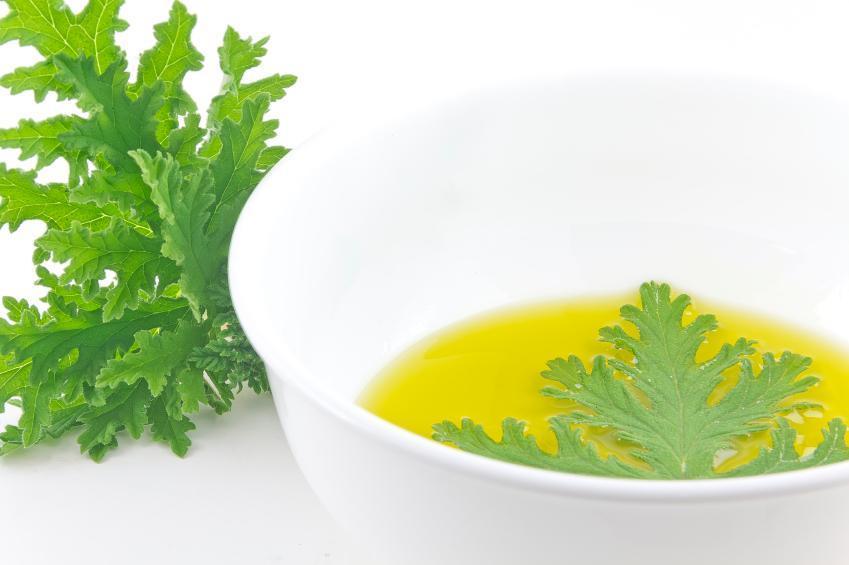
How To Make Citronella Oil At Home


Citronella is a medicinal plant that provides many health benefits, as it has analgesic, antiseptic, antibacterial, fungicidal, sedative and tonic properties. It is also used in aromatherapy as a relief for anxiety. Citronella oil is derived from the leaves and stems of nard or lemon grass and it is widely used as a non-toxic, natural insect repellent, used in lotions, candles or lamps to keep mosquitoes away. You can also plant citronella directly in your garden. If you're asking yourself how do I make citronella oil, at OneHowTo we'll offer you a practical guide that is very easy to use.
Steps to follow:
Citronella oil is available in health food or beauty shops but these commercial goods don't keep all their natural properties and, apart from being expensive, contain processed oils through steam distillation. Therefore, it is better to use homemade DIY citronella oil to get a natural result that provides you with all of the benefits of citronella. Making your own citronella oil ensures that you can control the ingredients and preserve the oil's natural essence and effectiveness.
The first thing you should do is to gather the necessary tools and ingredients that you are going to use to make homemade citronella oil.
- 1 cup olive oil
- One slow cooker
- 1/4 cup citronella
- 1 cheesecloth or gauze
- A dark glass container for storage
Ensuring you have all these items ready will streamline the process and help maintain the quality of your oil.

Next, to make citronella oil, you should mix the olive oil with the citronella leaves and stalks inside the slow cooker. The slow cooker should be set to a low heat to gently release the oils without burning them. Once boiled, strain the mixture using gauze or cheesecloth, always with a container underneath to collect the citronella oil. Discard any plant material left in the strainer to avoid contamination.
Finally, repeat the process with the resulting mixture, using fresh citronella leaves and stalks but without changing the olive oil. This way you get oil with an even purer aroma. Afterwards, simply keep the citronella oil in a dark container and store it in a cool, dry place. Using a dark glass container prevents light exposure, which can degrade the oil over time.
Bear in mind that citronella oil can be kept in optimum condition for an average of 6 months. Prolonged exposure to air can reduce its potency, so ensure the container is sealed tightly. You should not consume or use it during pregnancy and it also cannot be applied directly onto the skin as it can cause irritation. So, to be able to apply it as a lotion it should be premixed with soft oil like olive or coconut oil. Additionally, performing a patch test before applying any new oil mixture to your skin is advisable to avoid any allergic reactions.
If you do not have nard leaves or stems, they can be replaced with lemongrass. Lemongrass is a close relative and shares many of citronella's beneficial properties, making it an excellent substitute. Also, if you want to learn how to ward off insects with this aroma, we recommend our article on how to keep mosquitoes away with citronella. However, remember that citronella does not kill insects but repels them. In this regard, citronella oil works by masking the scents that attract bugs, providing a protective barrier without the use of harmful chemicals.
If you want to read similar articles to How To Make Citronella Oil At Home, we recommend you visit our Beauty & Personal Care category.