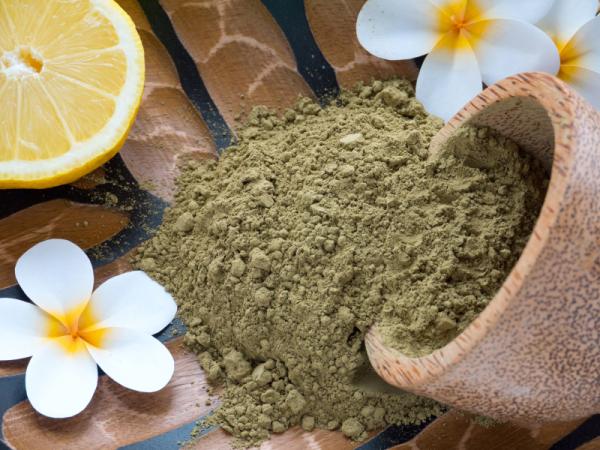
Learning how to know if henna is natural is very important as henna becomes every day more popular. Several people experience problems including allergies and itching because they are not able to tell if the henna they are using is natural or not. Problems may get worse for tourists in very popular destinations who get their hands painted with chemical henna, as allergic reactions can be quite severe. Since the whole point of using henna is having a natural hair dye or a natural body paint, today OneHowTo will help you detect natural henna by giving you some tips on how to know if henna is natural. To do so, we will explain what is natural henna, how to know if henna for hair is natural, how to know if henna for skin is natural, and we will explain how to make natural henna powder.
What is natural henna
Henna is technically a flowering plant called Lawsonia. The word “henna” comes from Arabic, and it is widely used to refer to the powder coming from the henna plant leaves, used to dye hair and skin since ancient times.
So, what is natural henna made of? It is simply a green powder made from the ground leaves of the henna Lawsonia plant. As simple as that.
What is natural henna hair dye? It simply is the green powder we just mentioned. So, natural henna hair dye should be 100% natural as it comes from the leaves of a plant.
The henna used for skin tattoo is basically the same thing and is often referred to as Mehndi. Natural henna is cherished for its ability to create a reddish-brown stain, which can be enhanced by adding essential oils like eucalyptus to the paste.
How to know if henna is natural
First of all, bear in mind that natural henna comes from natural henna leaves. Here is how to know if henna is natural.
- Read the ingredients if you buy a packaged henna. What is natural henna made of? Natural henna leaves. It should list natural henna powder as the only ingredient. Any other ingredient makes it a non-pure henna at best or a chemical mix at worst. Do not buy products with no ingredients listed.
- Color: what color is natural henna? Natural henna powder should be greenish. However, the green of natural henna powder should not be too bright. If, when you mix the powder with water, you notice green dye liquid, it is not natural henna as it contains artificial coloring.
- Aroma: henna natural powder should smell “grassy” and earthy, reminiscent of fresh cut grass.
- Allergy: natural henna allergy is extremely rare. Natural henna leaves contain naphthalene, which is also found in aspirin. So, unless you are allergic to that, if you have an allergic reaction to henna, perhaps it is not natural henna powder. It should be noted that the absence of an allergic reaction is a good indicator of purity.
- Natural henna hair color: Natural henna dye color is reddish, NOT black.
- How to know if henna is natural, test: Just mix a tiny bit of henna with warm water and dye a small hair strand. Then put the hair strand in a mix of 20 vol peroxide with 10 drops of ammonia. If it is natural henna hair color, nothing should happen. If it changes color, it is not natural henna.
For henna skin tattoo, or mehndi, this is how to know if henna is natural:
- Stay away from anything with the name “black henna”. Natural henna tattoo should be red, not black. If it is a black paste, it probably contains para-phenylenediamine (PPD), which can cause allergic reactions, blistering, itching, and even permanent scars and allergies. The problem is that the allergic reaction happens after days. PPD henna looks like shoe polish, stay away from it.
- Natural henna dye should be smooth on the skin. If it appears to spread in chunks, it is not natural henna.
- Chemical henna tattoo paste has an unpleasant smell, while natural henna smells like grass.
- Even when you are in your home country, do not buy cheap store-bought “henna paste”. Go to a professional. Cheap pastes often contain benzene, kerosene, and heavy metals, which can be extremely harmful.
The bottom line to knowing natural henna is: the only natural form of henna is natural henna powder and natural henna leaves. Pastes, blocks, oils that claim to be henna, contain some chemical element.
Not all products advertised as black henna or neutral henna are necessarily toxic, but they are mixed. Black henna could be mixed with Indigo, another natural hair dye. So, always read the ingredients.
For tricks on how to make henna last longer on skin, read our tutorial. Additionally, lemon juice and sugar can help seal the design and enhance its appearance.

Dangers of non-natural henna
It is very important to learn how to know if henna is natural. In fact, according to the US Food and Drug Administration, some chemical additives to non-natural henna can be harmful to our health. In particular, stay away from silver nitrate, carmine, and pyrogallol as they can trigger allergies. Pesticides, ammonia, peroxide, bleaches, mineral oils, and surfactants are also found.
Remember, henna is the only ingredient in natural henna powder. It should also be highlighted that natural henna is less likely to cause skin irritation compared to its chemical counterparts, making it a safer choice for body art and hair dye.
How to make natural henna
Now that we are aware of how to know if henna is natural, we can learn how to make natural henna powder, which can be used for hair and skin. Here is what you need to make natural henna at home:
- Fresh Mehendi Leaves (you can buy them from an Indian grocery store)
- Mortar
- Muslin cloth
Now, the procedure to make natural henna at home:
- Dry your natural henna leaves in the shade, never in the sun. It may take weeks, but this helps preserve the dyeing properties.
- When they are crisp, powder them in a mortar to make natural henna powder. Remove any stems. Make it as fine as you can, ensuring a smooth paste when mixed.
- Strain the powder with a muslin cloth to make henna naturally, eliminating any larger particles.
- Store it in an airtight container in a dark, dry place to maintain its freshness and potency.
Now you know how to prepare natural henna for hair and other uses, and you can mix it with other natural ingredients such as cassia. Once you have your henna natural hair recipe and know how to make natural henna at home, you do not even need to know how to know if henna is natural because you can make your own! Experimenting with different natural additives like clove powder can enhance the richness of the color.

If you want to read similar articles to How to Know if Henna is Natural, we recommend you visit our Beauty & Personal Care category.